


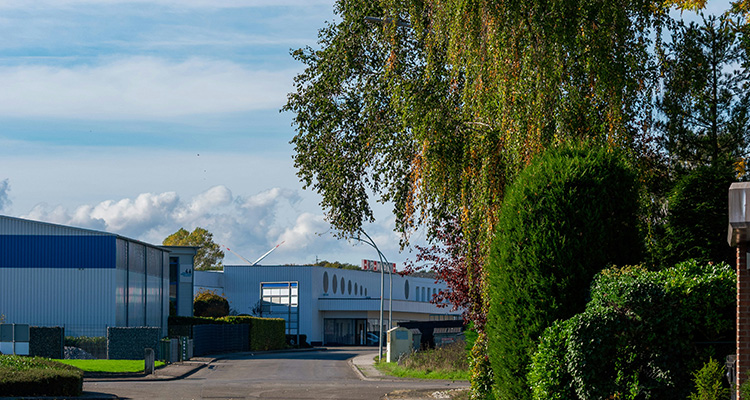
For many business owners, buying their own premises is a key step towards long-term stability and growth. Whether it’s an office, warehouse, retail unit or industrial space, purchasing commercial property can provide security and potentially build business value over time.
A commercial mortgage is the most common way to finance this type of purchase. Understanding how it operates can help you make a more informed decision when planning your next business move.
What is a commercial mortgage?
A commercial mortgage is a loan used to buy property for business use rather than personal living. It is typically used for:
- Offices
- Shops and retail units
- Warehouses and industrial units
- Hospitality venues such as restaurants or hotels
- Mixed-use or investment property
The lender provides funds to purchase the property, and your business repays the loan over an agreed term, usually between 5 and 25 years. The property itself is used as security for the loan.
How do commercial mortgages work?
The process is like a residential mortgage, but lenders focus more heavily on business performance and risk. In simple terms:
- You choose a property
- You provide a deposit
- A lender funds the remaining balance
- Your business makes monthly repayments
- Once fully repaid, you own the property outright
Lenders assess factors such as business turnover, profitability, credit history, trading experience and the type of property being purchased.
How much deposit is needed?
Deposits for commercial mortgages are usually higher than residential mortgages. Most lenders require 20% to 30% of the property value. For example, a £500,000 property may require a £100,000 to £150,000 deposit depending on the lender and business strength.
Stronger, more established businesses may secure lower deposit requirements, while newer or higher-risk businesses may need more upfront capital.
Types of commercial mortgages
There are two main types:
- Owner-occupied commercial mortgages – This is when your business buys premises to operate from directly. For example, a company purchasing its own office or shop.
- Commercial investment mortgages – This is when a property is purchased to rent out to tenants. In this case, lenders focus more on rental income, lease terms and tenant quality.
Interest rates and repayments
Commercial mortgage rates vary based on risk, deposit size, business strength and property type. They can be fixed or variable. Repayments may be structured as:
- Capital repayment – paying off interest and loan balance together
- Interest-only – lower monthly payments, with the full capital element of the loan to be repaid at the end of the term with a pre-determined repayment vehicle.
Advantages of buying business premises
Owning your property can offer several benefits:
- Long-term stability compared to renting
- Protection from rising rental costs
- Potential property value growth
- Ability to build business assets
- Greater control over your premises
Things to consider
While ownership has advantages, there are also challenges:
- Large upfront deposit and costs
- Less flexibility if you need to relocate
- Responsibility for maintenance and repairs
- Market risk if property values fall
- More complex and longer approval process
Is a commercial mortgage right for you?
A commercial mortgage may be suitable if your business is stable, has strong cash flow and plans to stay in the same location long term. However, leasing may be better for businesses needing flexibility or wanting to preserve capital for growth.
Final thoughts
Commercial mortgages can be a powerful way to secure business premises and invest in your company’s future. However, they require careful planning, strong financial preparation and a clear long-term strategy.
Understanding how they work, what lenders expect, and the costs involved will help you decide whether buying your business property is the right move. Want to know a little more? Reach out to our business finance team, call 01993 706403 or email enquiries@ngifinance.co.uk.
